All photos and images are copyright protected. Digital images and prints are available for purchase, please use the contact page or leave us a message below. All rights reserved
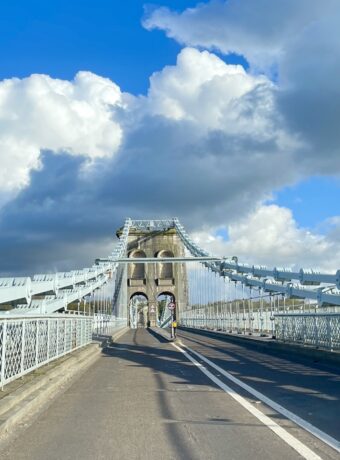
Some places make a wonderful first impression simply because of how relaxed they feel. That was Beaumaris. After another memorable day exploring Snowdonia, including a coffee stop in Bangor and our drive across the historic Menai Suspension Bridge, we arrived in Beaumaris on a quiet Sunday afternoon.
The streets were calm as most shops were closing or already closed, the waterfront was peaceful, and the late afternoon sunshine gave everything a warm golden glow.
We had already decided where dinner would be. Before settling down for an evening meal at Sarisa Indian Kitchen, we spent a couple of hours doing exactly what we enjoy most while travelling.
Walking.
Looking.
Photographing.
Simply taking in the atmosphere.
It proved to be one of the most relaxing afternoons of our North Wales road trip.

First Impressions of Beaumaris
Beaumaris feels different from many seaside towns. There is no sense of rush. Visitors stroll rather than hurry. Families enjoy ice creams by the waterfront. Couples sit quietly watching the boats in the Menai Strait. The town feels elegant without being formal.
Historic buildings stand comfortably alongside cafés, independent shops and restaurants, all framed by the magnificent mountains of Eryri across the water. It immediately became one of our favourite places on Anglesey.


Beaumaris Castle: Edward I’s Masterpiece
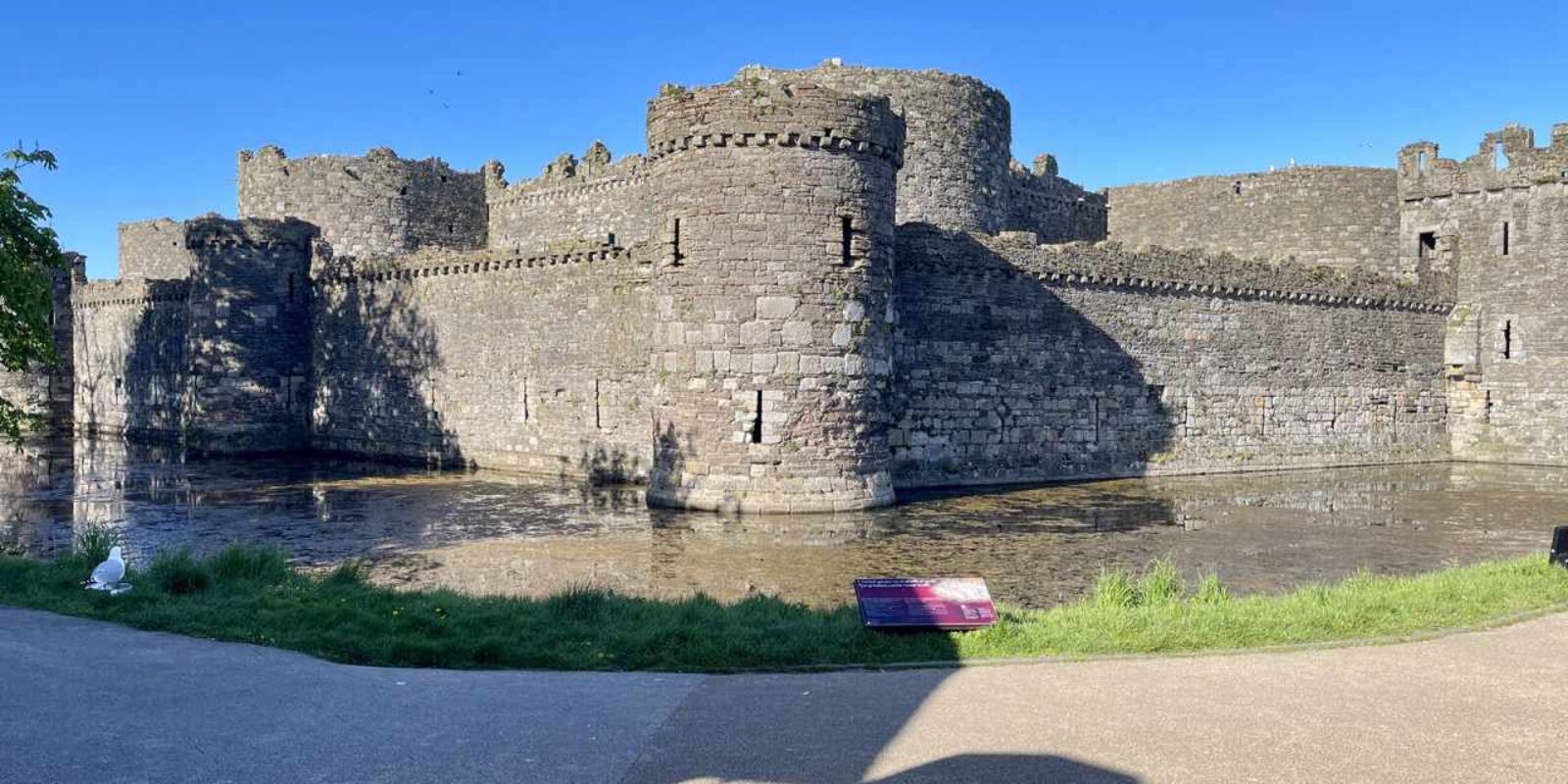
Our walk naturally began at Beaumaris Castle, one of the finest medieval castles in Britain. Although we only admired it from the outside during this visit, its enormous scale immediately captures your attention. If you are planning a visit, check the opening hours as this can be seasonal.
Commissioned by King Edward I in 1295 as part of his campaign to establish English rule in North Wales, Beaumaris Castle is widely regarded as the most technically perfect example of medieval military architecture in Britain.
Unlike many castles that evolved over centuries, Beaumaris was designed from the outset using a revolutionary concentric layout. Massive curtain walls, perfectly positioned towers and a surrounding moat created a fortress that was centuries ahead of its time.
Ironically, despite its impressive design, the castle was never fully completed because funding eventually ran out. Today it remains one of the best-preserved castles in Wales and has earned recognition as part of the Castles and Town Walls of King Edward in Gwynedd.
Standing outside its imposing walls, it is easy to imagine the enormous ambition behind its construction.

Little Details That Tell a Story
One of the unexpected pleasures of exploring Beaumaris was discovering small historical details that many visitors probably walk straight past.
Among them were two beautifully preserved cast-iron water pumps. Although no longer functioning, they provide a reminder of everyday life in the town before modern water systems. These small pieces of street history often become some of our favourite discoveries. They connect today’s visitors with generations of local residents who once relied upon them.

The Seafront
Leaving the castle behind, we wandered towards the waterfront. Immediately the atmosphere changed. The wide promenade opens onto magnificent views across the Menai Strait towards the mountains of Snowdonia.
Even after spending several days surrounded by spectacular scenery, we still found ourselves stopping regularly to admire the view. The combination of sea, mountains and historic buildings creates one of the most attractive waterfronts in North Wales.
Benches line the promenade, making it easy to sit for a while and simply watch the world go by. On a calm Sunday afternoon, there could hardly have been a more relaxing place to spend an hour.


The Beaumaris Throne Stone Circle
One feature that immediately caught our attention was the impressive stone circle standing proudly on the seafront. Known as the Beaumaris Throne, it was created for the Anglesey National Eisteddfod, one of Wales’ most important celebrations of language, literature and culture.
The circle consists of carefully positioned standing stones surrounding an impressive ceremonial throne, reflecting traditions that have become closely associated with the Gorsedd of the Bards. Even without understanding every aspect of the ceremony, the monument carries a powerful sense of Welsh identity and cultural pride.
Against the backdrop of the sea and mountains, it makes a striking subject for photography.

Victoria Terrace
Another building impossible to overlook is the magnificent Victoria Terrace. Stretching elegantly along the waterfront, its distinctive Victorian architecture adds a sense of grandeur to the seafront.
Originally developed during the nineteenth century as fashionable accommodation overlooking the Menai Strait, the terrace remains one of Beaumaris’ defining landmarks. Its long symmetrical façade photographs beautifully, especially in the late afternoon light.

Looking Towards Beaumaris Pier
Turning in the opposite direction, our attention was drawn towards Beaumaris Pier. Stretching into the Menai Strait, the Victorian pier has welcomed visitors since 1846 and remains one of the town’s best-loved landmarks.
Although we didn’t walk along the pier this time, simply seeing it stretching out across the water added another classic scene to our collection of photographs.
Boat trips also depart from the pier during the season, offering opportunities to explore Puffin Island and the surrounding coastline. Another reason for us to return.

A Shortcut Through History
Eventually we left the waterfront and headed back towards the town centre. Instead of following the main road, we slipped through the narrow passage between Pier House Café and Bistro and the iconic Bulkeley Hotel, linking Alma Street with Castle Street.
These little lanes are one of the joys of exploring historic towns.
Stone walls.
Hidden courtyards.
Unexpected views.
Every corner feels as though it has a story to tell.
It was the perfect transition from the peaceful seafront back into the heart of Beaumaris.


A Town Made for Walking
One thing became very clear during our visit. Beaumaris rewards slow exploration. There is no need for an itinerary packed with attractions.
Simply wandering between the castle, the waterfront and the historic streets provides more than enough to fill an enjoyable afternoon.
Every few minutes another photograph presents itself. Another historic building catches your eye. Another view across the Menai Strait invites you to stop.
Plan Your Trip
Looking back, here are a few things we’d recommend.
- Allow at least half a day to explore the castle, seafront and town centre at a relaxed pace.
- Visit Beaumaris Castle when you have time to explore the interior and walk the impressive curtain walls.
- Walk along the pier if it is open during your visit.
- Bring binoculars for views across the Menai Strait and towards Puffin Island.
- Look out for the historic water pumps and smaller details around the town.
- Spend time at the Beaumaris Throne and learn about the National Eisteddfod and Welsh cultural traditions.
- The waterfront is particularly beautiful in the late afternoon and early evening when the light softens across the mountains.
- Combine your visit with the nearby Menai Suspension Bridge and the towns of Menai Bridge or Llanfairpwll for a full day exploring Anglesey.
Until Next Time
As evening approached, we reluctantly left the seafront and made our way to Sarisa Indian Kitchen, where another memorable part of our Beaumaris visit awaited. That meal deserves its own story, learn about our experience here. So does the charming network of streets behind the waterfront.
In our next article, we’ll explore Castle Street and Church Street, discovering independent shops, historic buildings and more reasons why Beaumaris became one of our favourite towns on Anglesey.